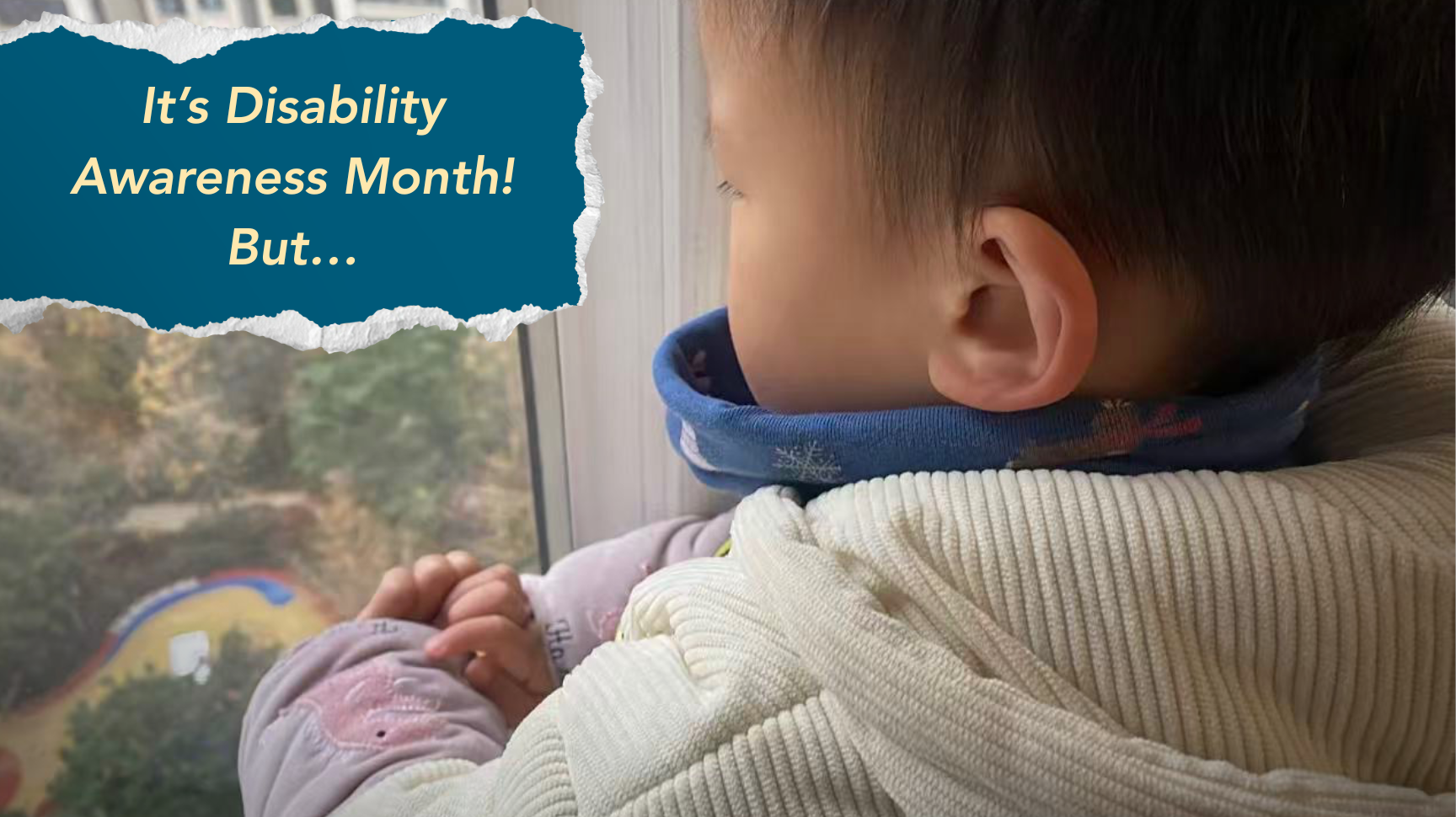
did you know, in China, some people consider having a child with a disability bad luck? Not even 50 years ago, a common term for a person with disability was “can fei” or “残废” — crippled and useless.
Today, that narrative is changing, but there’s still a lot of work to be done.
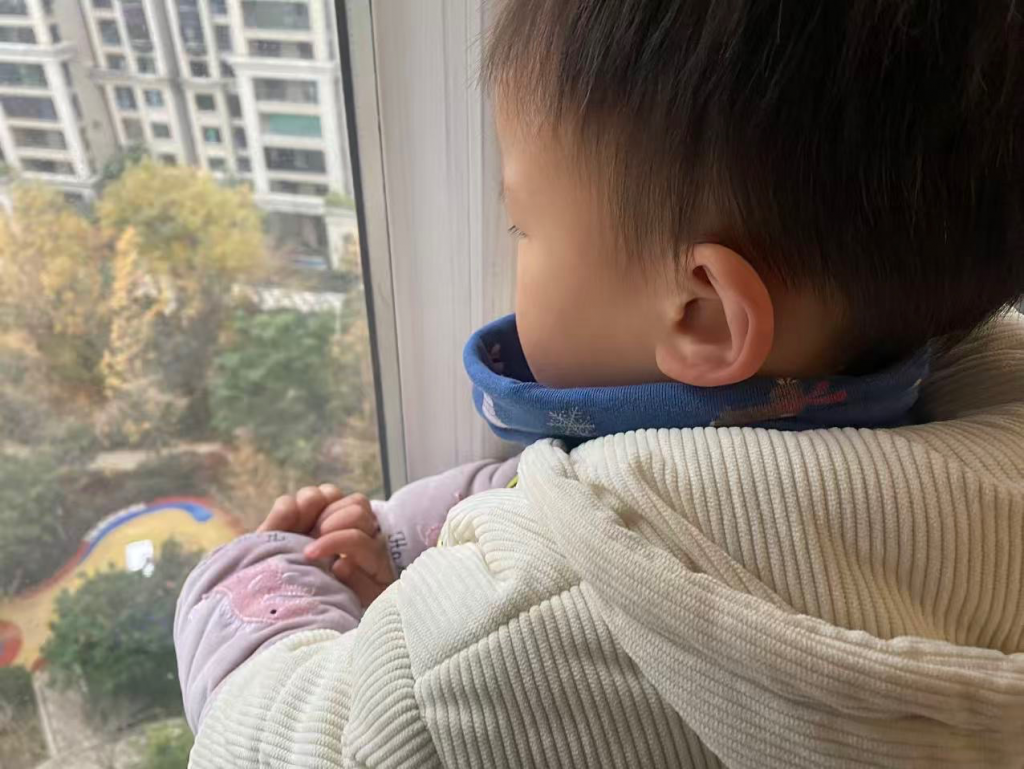
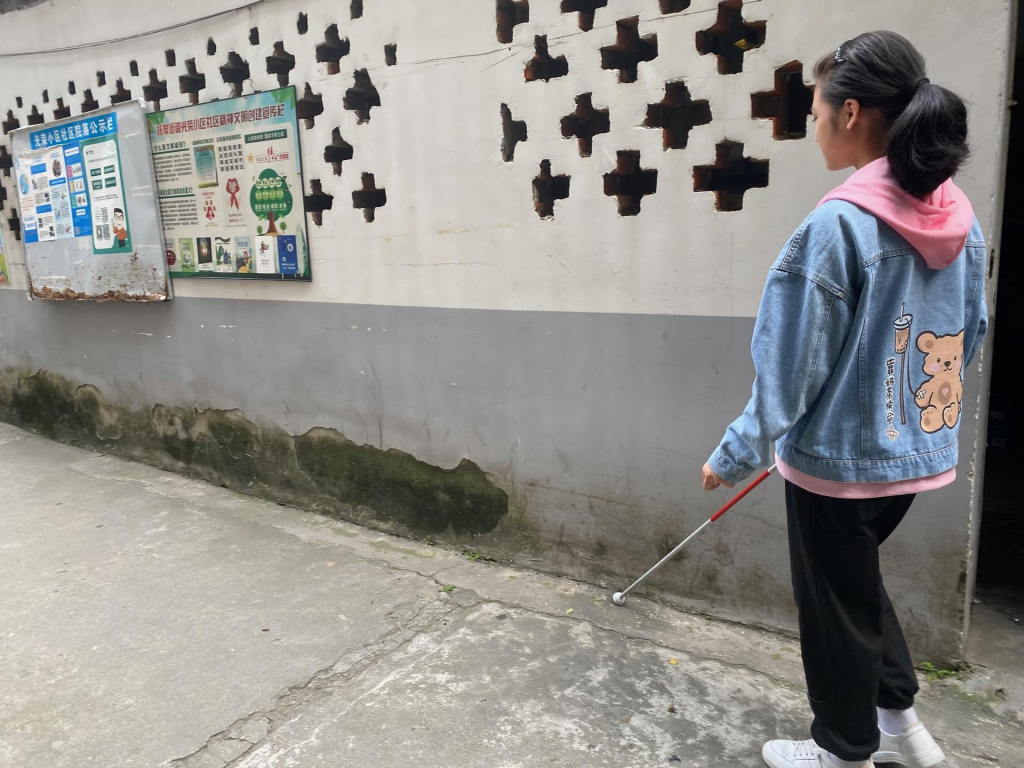
Growing up in China myself, I saw inclusive facilities everywhere: tactile paving on the sidewalk, ramps by public stairs, wheelchair lifts in the subway stations. But I realized that not once did I actually see a person with a disability using them. Despite all these accommodations, “[people with disabilities] are still largely invisible in public spaces.”
But we see them.
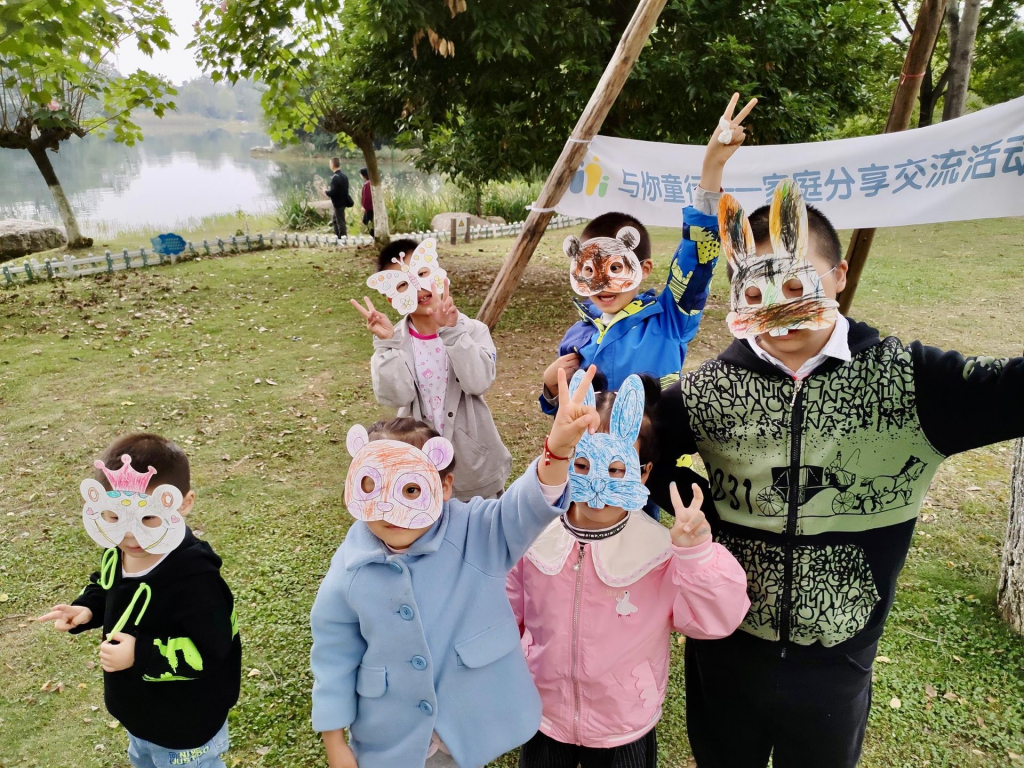
Every year, Hope Station serves more and more families who have children with disabilities. Each home visit, parent workshop, and therapy session brings a little more visibility and support in their lives.
Every donation that keeps our program going tells these families: We see you. We support you. We care about you.
Considering the financial, emotional, and deep social pressures, it’s not hard to see why children with disabilities account for up to 90% of abandoned children in the country.
Several of the children in our Program have experienced this firsthand. One or both parents abandoned them because of their disability. Yet their grandparents or remaining parent have bravely stepped up to care for them, raising them with love and support while taking on the extra weight of social stigma and daily hardships. They are defying the lingering belief that a child with a disability is “less valuable,” to give their child a life full of possibility.
For many children, this also explains why they are so rarely seen in public spaces. Whether in rural villages or bustling cities, children with disabilities are often hidden away from their communities; in the home, in orphanages, or in special schools. That’s one reason this work matters so much.
Because behind these statistics are real children.
JunJie, who loves to dance, has never been allowed to join a dance school or dance classes. Why? Because he has Down syndrome. After joining Hope Station and being provided a private dance teacher, his mom said, “I’m really touched that in this world there are all these other people besides us who care for [our son] and love him! … it makes me feel like I’m not alone.”
That’s why we need to keep going. We’re keeping children out of orphanages, making sure they are happy and loved, and supporting their families and communities to do the same.
Every support we provide strengthens their voice, so that one day, they will no longer be invisible.
P.S. One small way to make these families more visible? Share this with a friend who would care.
No responses yet